From a Mother's Eyes to the Heart of the Fetus: A Visual Prenatal Education Guide
This is a 'Visual Prenatal Education' guide that explains how the beautiful things a mother sees are conveyed to the fetus. It provides guidance on the fetal visual development process, the timing of light perception, and the correct visual prenatal education methods that help stabilize the fetus's emotions through beautiful images and sounds.
Last updated June 25, 2026
Guide content
From a Mother's Eyes to the Fetus's Heart: A Guide to Visual Prenatal Education
1. Late Development but Important for Emotions
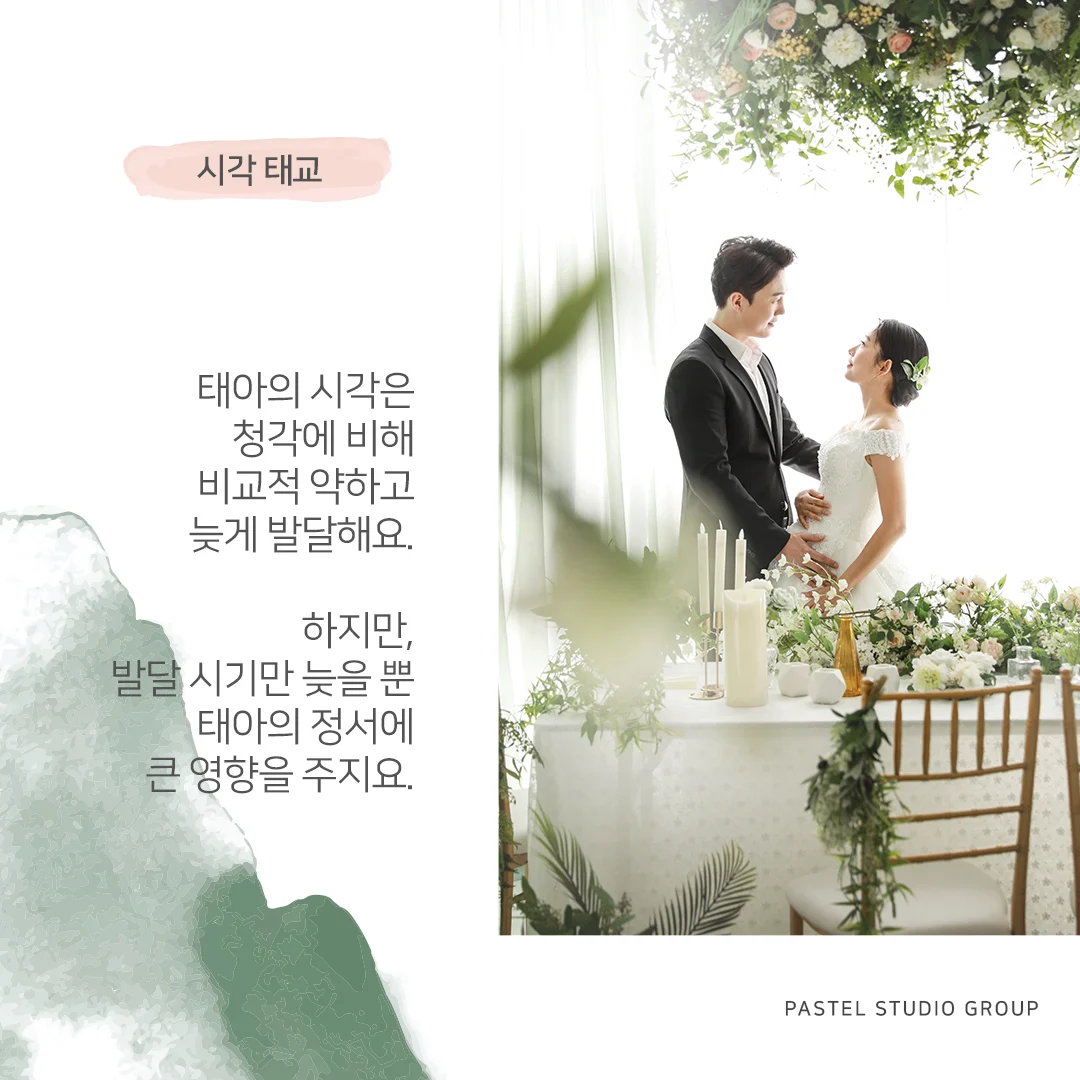
The fetus's vision is relatively weak and develops later compared to hearing. However, although the timing of development is delayed, visual stimulation is a crucial factor that significantly impacts the emotional formation and stability of the fetus.
2. Sensing Light and Shadow through Hormones (7 Months Pregnant)
The fetus does not clearly distinguish the shapes of objects in the womb. Instead, it senses light and shadow through changes in the mother's hormone levels. By around 7 months of pregnancy, the fetus begins to clearly perceive light and shadow and starts to respond to external light.
3. Connecting through Beautiful Images and Voices
When a mother feels joy while looking at beautiful pictures or colorful picture books, the fetus also feels comfortable and stable, similar to when listening to beautiful music. Regularly enjoy diverse and beautiful images, and kindly express your emotions and feelings to your baby aloud.
Checklist
- Have you confirmed that the fetus starts to respond to external light and shadow around 7 months of pregnancy?
- Do you regularly enjoy beautiful masterpieces or colorful picture books?
- Do you share your feelings when viewing beautiful landscapes or paintings with your baby in a gentle voice?
- Do you understand that the fetus's vision is influenced by the mother's hormonal changes and maintain a calm mindset?
Frequently asked questions
Can the fetus see in the womb?
The fetus does not clearly distinguish shapes. It senses light and dark (brightness and shadow) through changes in the hormone levels that the mother experiences.
When is the best time to start visual prenatal education?
It is very beneficial to focus on diverse visual prenatal education starting around 7 months of pregnancy when the fetus begins to feel light and shadow and actively respond to external light.
How is visual prenatal education specifically conducted?
The basic approach is for the mother to experience visual pleasure by looking at beautiful natural landscapes, colorful masterpieces, and rich picture books. During this time, if the mother describes her positive emotions and the scenes aloud to the baby, it can create a synergistic effect of visual and auditory prenatal education.