Stories for the Fetus: A Guide to Prenatal Education
This guide provides information on the importance and practical methods of 'prenatal education' to help foster emotional connection with the fetus.
Last updated June 25, 2026
Guide content
Enhance Your Baby's Presence: Prenatal Education
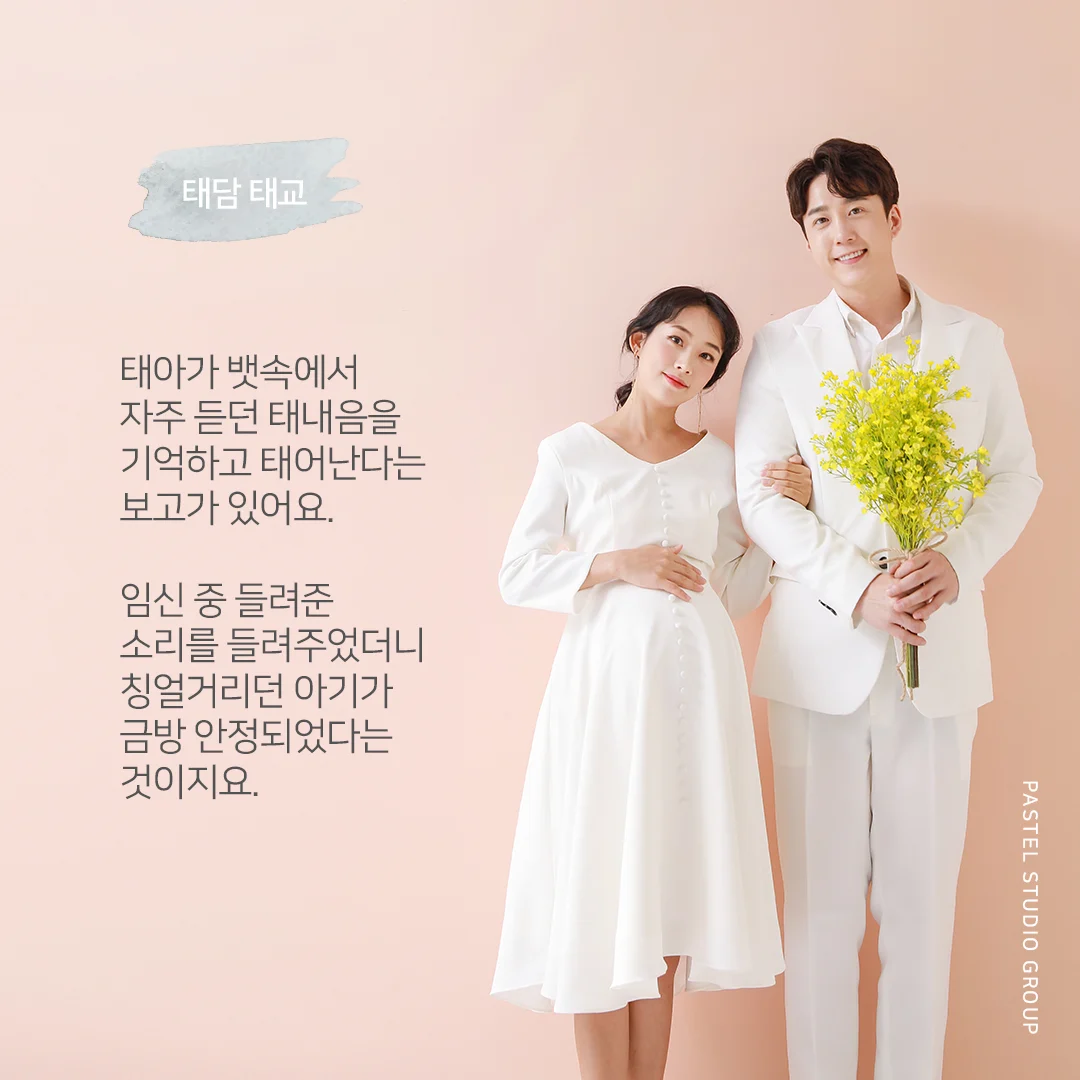
There are reports that fetuses remember the sounds they frequently hear in the womb after they are born. In fact, studies have shown that when sounds played during pregnancy are repeated after birth, fussy babies quickly calm down.
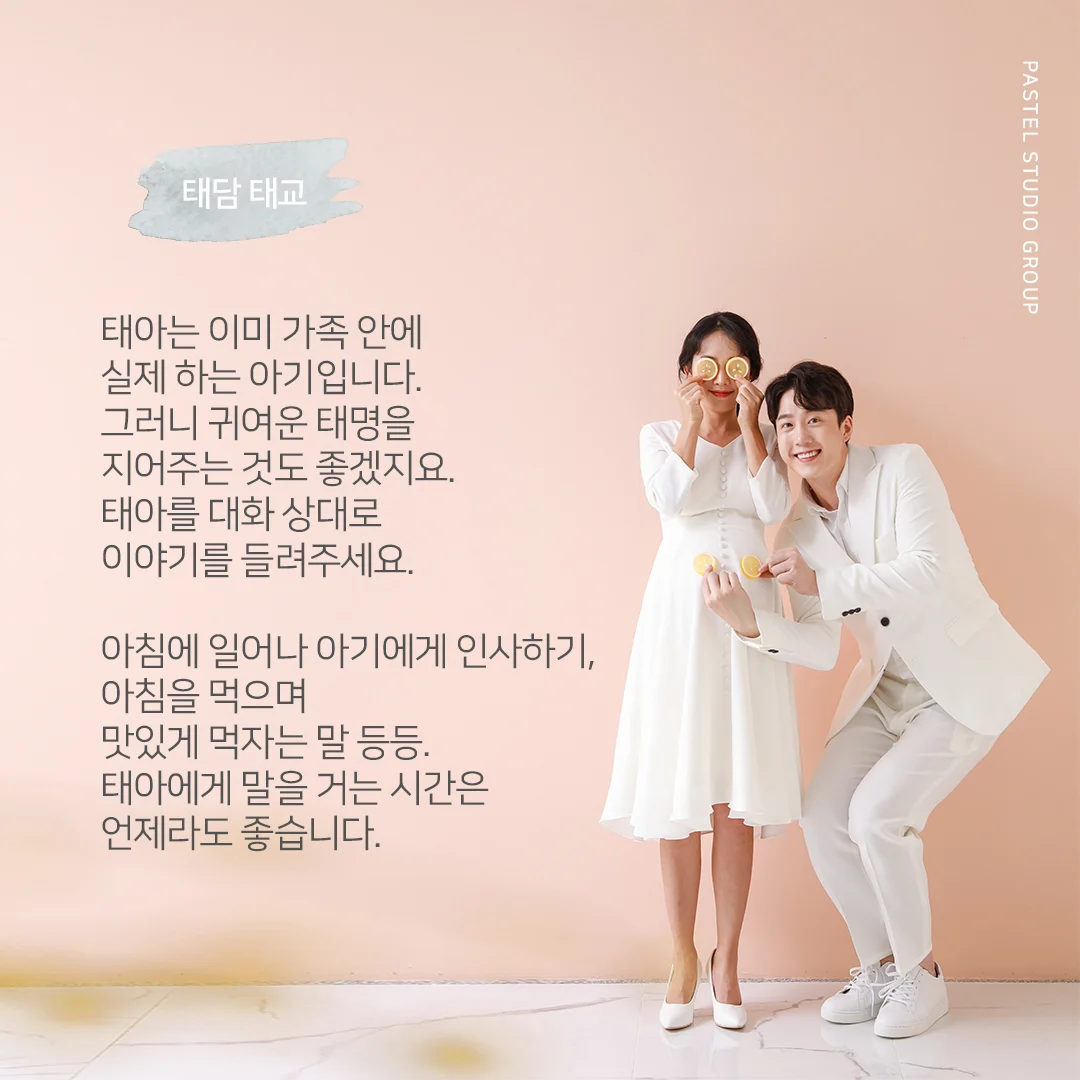
The fetus is already a precious baby that exists within the family. Therefore, it’s good to give your baby a cute nickname to enhance their presence. Talk to your baby as if they are a conversation partner. Start with simple daily interactions, like greeting your baby in the morning or saying "Let’s eat well" during meals. Any time spent talking to your baby is beneficial.
Additionally, share fun stories about everyday occurrences or vividly describe the outside world during walks, allowing your baby to experience the world alongside you.
Checklist
- Give your baby a cute nickname
- Greet your baby warmly in the morning
- Talk to your baby as if you are eating together during meals
- Share fun stories about everyday occurrences
- Describe the outside scenery vividly during walks
Frequently asked questions
When is the best time for prenatal education?
There is no specific time. It’s best to naturally talk to your baby during daily activities, such as when you wake up in the morning, during meals, or while walking.
What are the benefits of prenatal education?
Fetuses remember the sounds and voices of their parents that they frequently hear in the womb. When they hear those familiar sounds after birth, it helps them calm down quickly when they are fussy.