Brain Development by Age: 7-12 Months - Is My Baby's Shyness a Concern?
This article introduces the sensory, cognitive, emotional, social, and language development characteristics of babies aged 7 to 12 months. As shyness begins and curiosity grows, discover key brain development points and tailored play tips at Baby Pastel.
Last updated June 25, 2026
Guide content
Brain Development by Age VOL.3: 7-12 Months, Is Our Baby's Fear of Strangers a Problem?
As babies grow rapidly and their curiosity explodes between 7 to 12 months, many new parents worry about their baby’s fear of strangers. Baby Pastel highlights the key developmental points for babies during this stage.
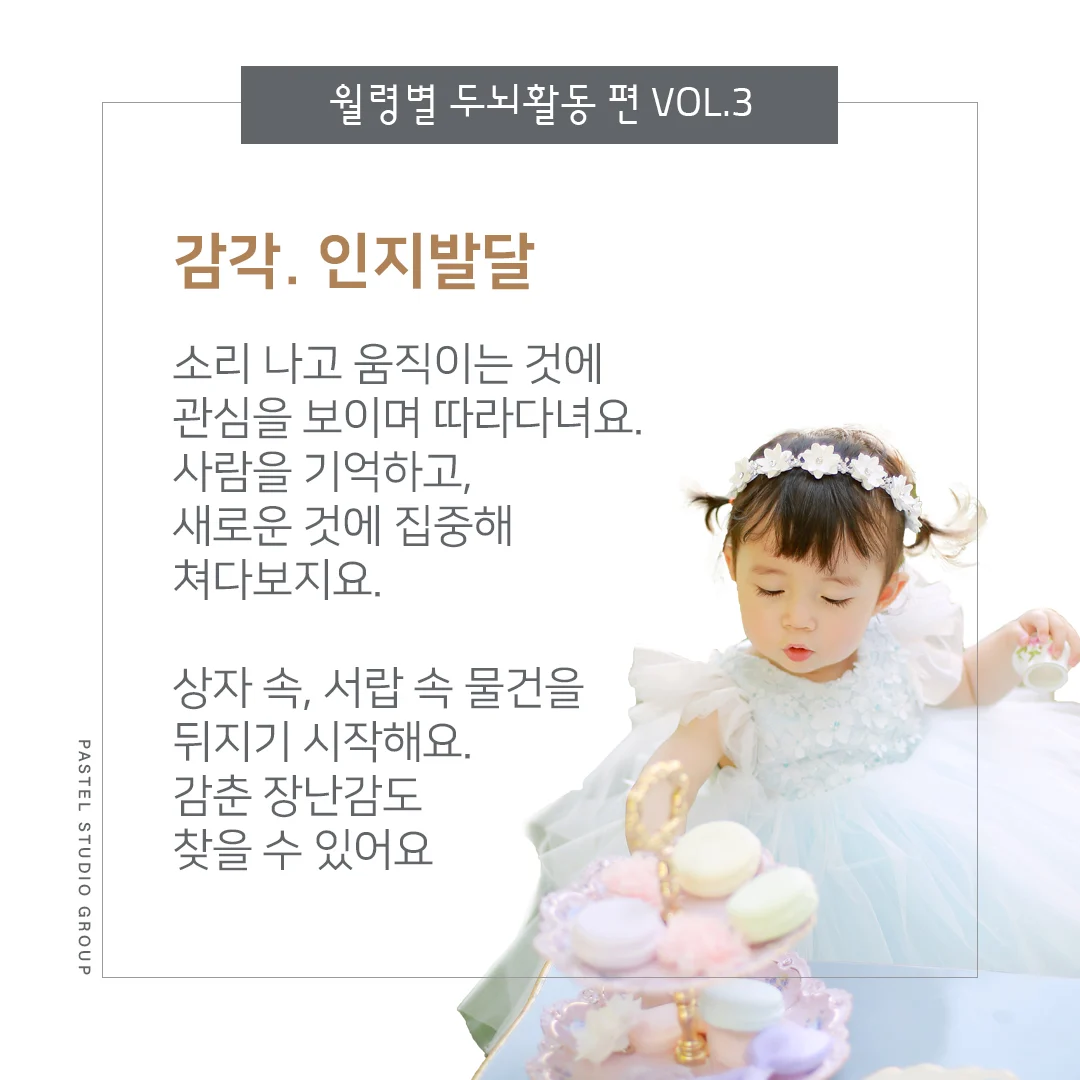
1. Sensory and Cognitive Development
Babies show great interest in sounds and moving objects, actively following them. They begin to remember faces accurately and can focus on new objects or environments. They also start to explore by rummaging through boxes or drawers, and their cognitive abilities develop significantly, allowing them to remember and find toys hidden under towels.
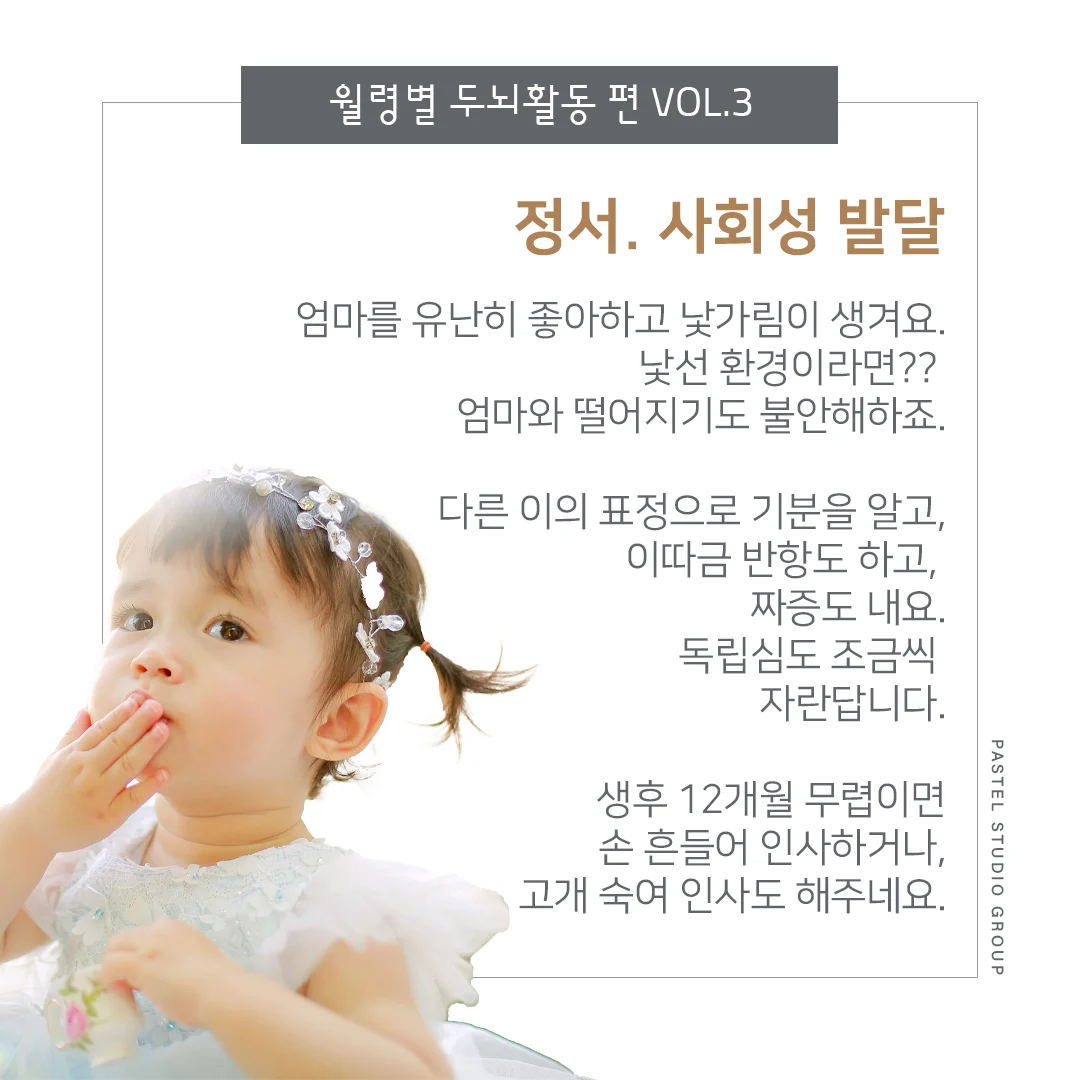
2. Emotional and Social Development
Attachment to their mothers deepens, leading to a strong preference for them, which in turn increases their fear of strangers. They may experience separation anxiety when placed in unfamiliar environments or when away from their mothers. They can read other people's expressions and understand emotions, occasionally asserting themselves through defiance or frustration, gradually developing independence. By around 12 months, they may wave to greet or bow their heads in a cute manner.
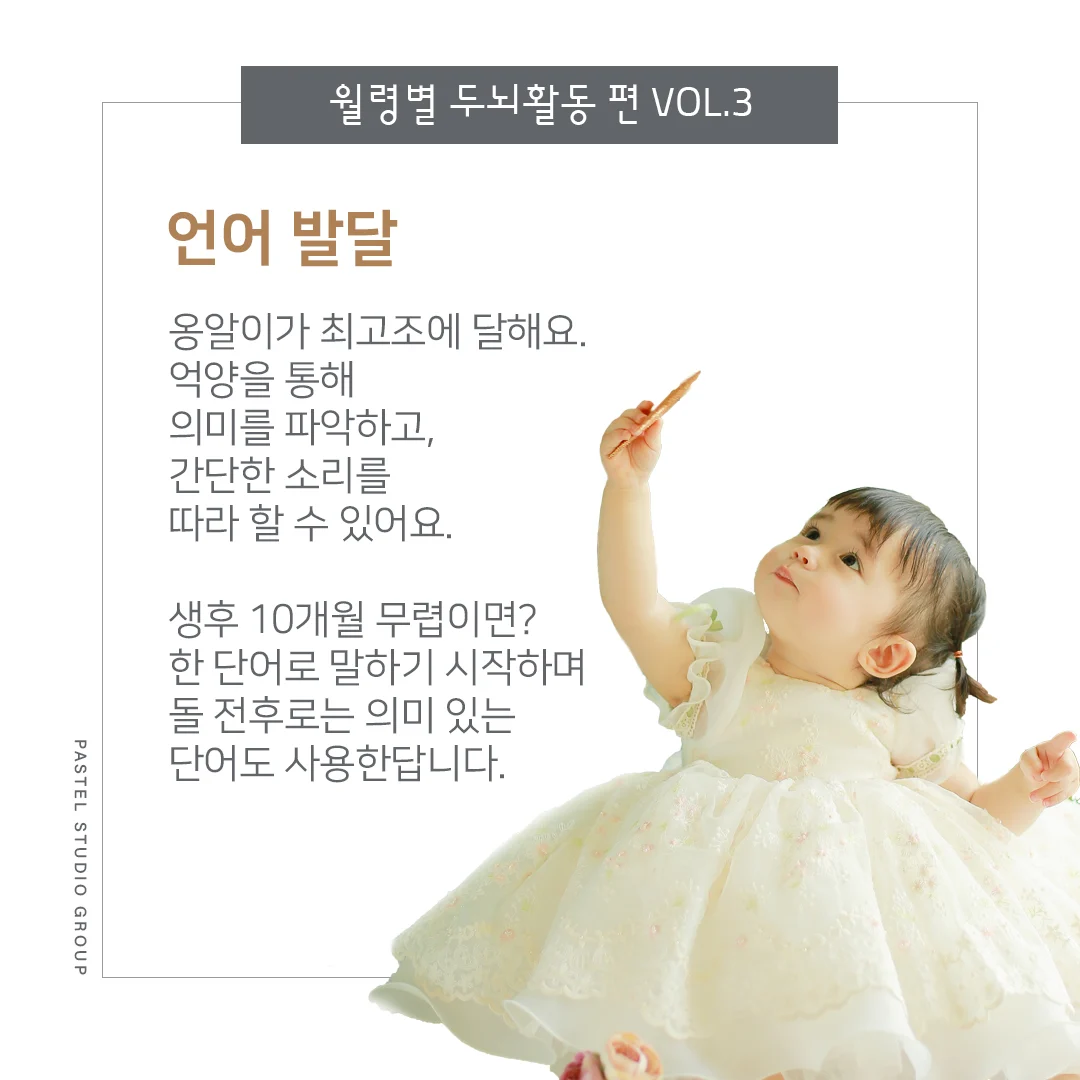
3. Language Development
This is the peak period for babbling. Babies begin to understand the meaning of words through intonation and can imitate simple sounds made by their parents. By around 10 months, they start to say single words, and around their first birthday, they begin to use meaningful words to express their intentions.
[Remember!]
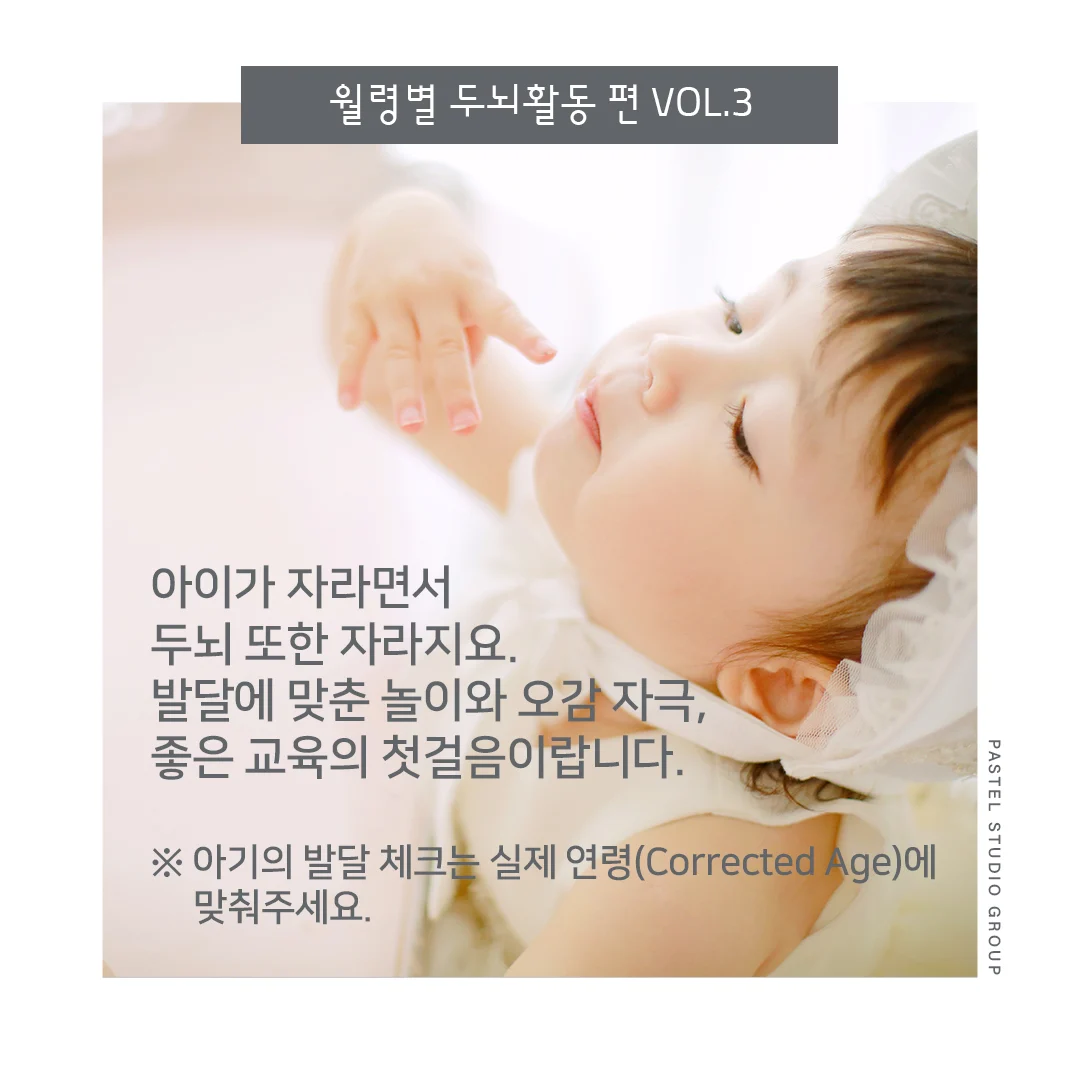
As your child grows, their brain develops alongside them. Providing appropriate play and sensory stimulation tailored to your child's developmental stage is the first step towards good education.
* For premature babies, please check developmental milestones based on the 'Corrected Age' rather than their birth date.
Checklist
- Observe curious exploration activities such as finding hidden objects or rummaging through drawers.
- Understand separation anxiety and stranger anxiety, providing enough physical contact to give a sense of security.
- Respond empathetically when the baby expresses emotions and encourage positive social interactions (like greetings).
- Actively respond to the baby's babbling and expose them to a variety of words and sounds.
- Provide a safe play environment and sensory stimulation appropriate for the baby's developmental stage.
Frequently asked questions
Is it a problem if my baby is very fearful of strangers?
This is a completely natural developmental process. Stranger anxiety is evidence that your baby’s cognitive abilities have grown to the point where they can distinguish between their primary caregivers (mom, dad) and unfamiliar people. Instead of forcing your baby to interact with strangers, allow them to feel safe in their mother’s arms and gradually adapt to new environments.
Why is it important for babies to find hidden toys?
This behavior indicates that your baby has acquired 'object permanence,' meaning they understand that objects continue to exist even when they are out of sight. This is an important sign of cognitive development and memory growth, so playing peek-a-boo or hiding objects under a towel is very beneficial for brain development.